

In this Q&A, Daniel Zingg, CEO of Andermatt Group AG, shares his perspective on the realities shaping agriculture and the biologicals market today. Speaking directly to growers, commercial partners, and industry stakeholders, he outlines why Andermatt continues to back a long-term, values-led approach built on scientific credibility, trusted partnerships, and practical solutions that support sustainable crop production. At a time when biologicals are increasingly attracting attention across the industry, this conversation highlights a core belief that has guided Andermatt for decades: biologicals are not a passing trend, but a proven and essential part of modern agriculture.
Staying the Course in a Changing Market
Daniel Zingg discusses the economic and commercial realities shaping agriculture today and explains how Andermatt is responding with focus, discipline, and a long-term view. He also shares why independence, measured investment, and strong foundations continue to matter in a market where confidence, consistency, and trusted partnerships are more important than ever.
Q: How do you view the current market environment, and what does it mean for Andermatt and its partners?
A: The global environment remains demanding, and that naturally affects how businesses plan and invest. Costs are rising, markets remain volatile, and many companies across agriculture are feeling pressure. In that context, we have taken a disciplined and realistic approach. The first six months of the year indicate that we are on track. Conditions are not easy, but our focused approach, our close connection to the market, and our long-term mindset give us confidence in the path ahead.
Q: What makes Andermatt’s position in the biologicals market distinctive today?
A: Our structure is a real advantage. As an independent family- and employee-owned company, we are able to make decisions with the long term in mind. We are not driven by short-term investor expectations or unrealistic growth targets. That has helped us remain steady while others in the market have expanded too quickly or taken on more risk than they can sustain. For our customers and partners, this matters because it means they are working with a company committed to reliability, continuity, and long-term value.
Q: Why is independence so important to Andermatt’s way of doing business?
A: Our independence gives us the freedom to build carefully, act responsibly, and stay true to our purpose. It also strengthens trust. Around the world, growers, distributors, and partners want to work with companies they can depend on over time. For us, that means growing at the right pace, making sound decisions, and building relationships that last.
Q: Where is Andermatt focusing its investment for the future?
A: Our priority is to invest where we see the greatest long-term value: in our existing organizations, in the product pipelines we have already built, and in the many growth opportunities still untapped across our portfolio. We are taking a measured approach, especially in an uncertain environment, but that does not mean standing still. It means strengthening what already makes us valuable to the market and ensuring we can keep supporting growers and partners with quality solutions over the long term.
“What makes sense for us in the long term are investments in our existing organizations and in the product pipelines we’ve built.”

Earning Trust in a More Competitive Biologicals Market
Daniel Zingg explores how the biologicals market is evolving and what that means for companies aiming to build lasting value. He reflects on competition, innovation, and why technical credibility, quality, and a trusted brand are becoming increasingly important as more products and players enter the space.
Q: Does Andermatt still see itself as a pioneer in today’s biologicals market?
A: Our pioneering spirit is still very much part of who we are, but the market has changed. When Andermatt started, biologicals were still a niche. Today, they are attracting far more attention, and competition is much stronger. That is a positive sign for the industry, but it also means companies must do more than simply claim leadership. We have to compete actively, with clear value, strong performance, and credibility in the market.
Q: In a market where biologicals are receiving more attention, what will keep Andermatt competitive?
A: We believe competitiveness comes from doing things properly and consistently. Our strengths are our broad, high-quality portfolio, our technical expertise, and the integrity we bring to every relationship. In some parts of the market, there is a great deal of noise around biologicals. For us, the focus remains on solutions that perform, advice that growers and partners can trust, and relationships built for the long term. Biologicals may be seen by some as the next best thing, but for Andermatt they have always been the right thing when backed by science, quality, and practical application.
Q: How do you view innovation at Andermatt today?
A: Innovation remains one of our core strengths. We bring a broad and attractive biological portfolio to the market, built through both our own development work and the integration of external technologies. That combination has helped us grow a strong offering for different crops, markets, and production systems. For us, innovation is not only about new ideas, but about bringing practical and effective solutions to growers in ways that create real value.
Q: What innovation priorities will matter most in the years ahead?
A: We need to continue building a pipeline of truly differentiated innovations. As the market matures, more similar products will appear, and price pressure will increase. That means we must keep investing in new technologies, strengthen our R&D capabilities, and ensure we can produce solutions efficiently and at consistently high quality. Long-term competitiveness in biologicals will come from a combination of innovation, operational strength, and market understanding.
Q: Why does brand matter so much in the biologicals industry?
A: Brand matters because reputation matters. In biologicals, products are not always protected in the same way as conventional agrochemicals, so similar solutions can enter the market more easily. That makes trust even more important. The Andermatt name must stand for reliability, quality, and sound advice. Our role as a Group is to set that standard, and our subsidiaries and partners bring it to life locally through strong customer relationships and technical support.
“Andermatt has to be a name known around the world, because a brand carries a reputation.”
Building the Organization Behind Long-Term Value
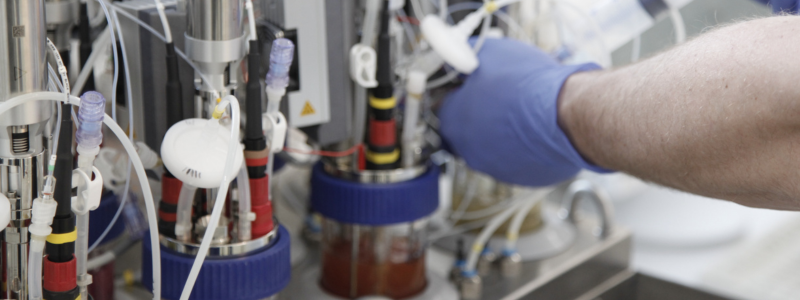
Daniel Zingg explains how Andermatt is strengthening the organization behind its global growth. He discusses the importance of systems, data, leadership, and continuous improvement, while also emphasizing that the Group’s strength remains rooted in close customer relationships and strong local market connections. For Andermatt, building a more effective organization is not about centralizing everything, but about creating the clarity and support that help local teams stay agile, responsive, and relevant.
Q: What organizational priorities will be most important for Andermatt’s future growth?
A: One of the biggest priorities is adapting how we work so that we can stay efficient and competitive as the business grows. New technologies, including AI, are changing what is possible across many industries, and agriculture will be no exception. At the same time, continuous improvement remains essential. Internally, we are using tools such as the Andermatt Management System, Lean Management, and Lean Six Sigma to strengthen processes and improve the way we work across the organization.
Q: How is leadership helping prepare the business for the next phase?
A: We have grown quickly over the past decade, nearly 40 years of Andermatt history, and with that growth comes the need to strengthen systems and structures. The new Board members bring valuable experience, particularly in finance and organizational development, and that supports us in addressing the areas where we need to mature further as a Group. It is about ensuring that the organization behind our products and partnerships is as strong as the ambitions we have for the future.
Q: Why are data and standardization becoming so important?
A: Data and standardization are becoming more important because they give us better visibility, better comparability, and a stronger basis for decision-making across the Group. As we grow, we need clearer structures and more reliable information so that we can act with confidence and support the business effectively. At the same time, this must not distance us from the market. Better data and clearer structures should ultimately help our teams serve customers more effectively, not replace the local relationships and market understanding that are essential to our success.
Q: How do you balance greater alignment with the need to remain agile?
A: Some alignment is necessary, but it only makes sense if it helps the organization move faster and work better. The goal is not control for its own sake. The goal is to create a business that can make smart decisions quickly, support local markets effectively, and continue adapting as we grow. At the same time, we place very high value on our relationships with customers. Those relationships are built locally, through trust, technical understanding, and close contact with the realities in each market. Stronger systems and shared ways of working should support that decentralized customer connection, not replace it.
Q: What role do people play in building that future?
A: People are at the center of everything. Our employees carry the business, and the culture they create is one of our greatest strengths. As we continue to evolve, we want to keep building on that culture through clear direction, collaboration, and continuous development. Strong systems matter, but they only deliver value when strong people bring them to life.
“For me, the employees always come first, because only the employees carry the entire business.”
Responsibility, Sustainability, and the Future of Agriculture
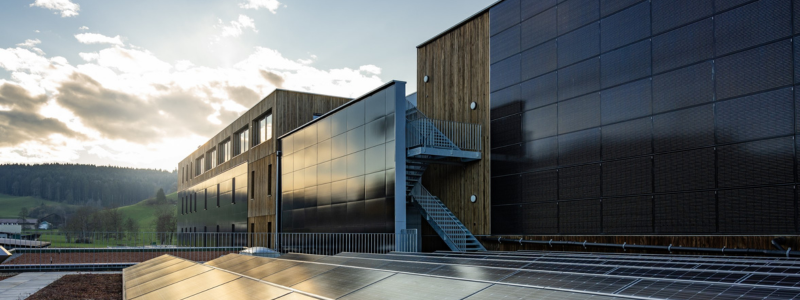
Daniel Zingg reflects on sustainability, regulatory engagement, and the broader responsibilities that come with building a long-term business in biological agriculture. He explains how Andermatt is thinking about environmental responsibility, practical action, and its role in helping shape the future of the industry.
Q: How does Andermatt approach sustainability in practical terms?
A: Sustainability remains at the core of what we do. Biological crop protection is closely linked to more sustainable agriculture, and that has always been part of Andermatt’s DNA. Our responsibility is to focus on the areas where we can make a meaningful difference, whether that is reducing emissions where possible, using resources responsibly, or helping growers move toward more resilient production systems and preserving soil fertility.
Q: Why is policy and regulatory engagement becoming more important for companies in biological agriculture?
A: If we want biological solutions to play a stronger role in agriculture, then the surrounding framework also has to evolve. That means regulation, approval systems, and policy discussions matter. We have become more active in this area, both in Switzerland and internationally, because better engagement can help create the conditions needed for innovation, market access, and broader adoption.
Q: Have you already seen the value of that engagement?
A: Yes, we are already seeing that constructive engagement can make a difference. In Switzerland, for example, a motion to accelerate approval for low-risk plant protection products was recently passed after several years of effort. Implementation still takes time, but it shows that long-term commitment in this area can help create better conditions for the future of biologicals.
Q: Which long-term agricultural challenges do you believe biologicals can help address?
A: Agriculture is facing major long-term challenges, from climate pressure to soil degradation and the need to produce efficiently and responsibly. While new systems such as vertical farming may create opportunities in certain areas, the main market remains in existing agricultural systems. That is why helping growers protect soil health, improve resilience, and build sustainable production systems will remain so important. This is exactly where biological solutions can play a valuable role.
Q: Are emerging trends such as soil degradation or vertical farming relevant for Andermatt?
A: These are important trends. Vertical farming may offer opportunities, but it will not replace conventional agriculture. The main market remains in the existing agricultural systems. The bigger challenge is ensuring that soil fertility and production systems can keep pace with climate change. That is where our solutions play a critical role.
“What hasn’t changed at all is our commitment to environmentally responsible practices and the use of resources in a way that is sustainable for the world.”