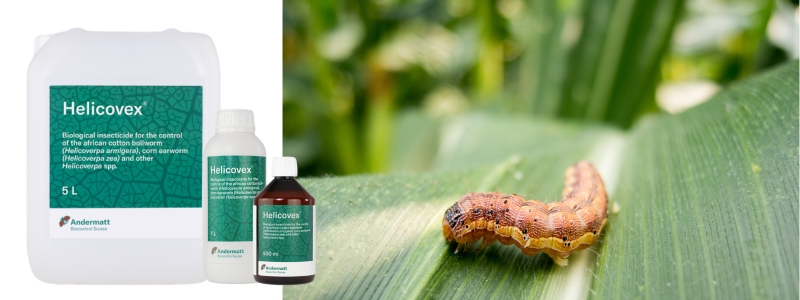
Regulatory approval has been granted in Australia for reduced application rates of Andermatt’s baculovirus solution Helicovex®, registered for the control of cotton bollworm, corn earworm and other Helicoverpa species.
This approval provides growers and advisors with greater flexibility to integrate baculovirus solutions into structured pest, resistance, and integrated pest management (IPM) programs under defined conditions.
Baculovirus: A Smarter Way to Manage Resistance
Baculovirus solutions harness naturally occurring viruses that specifically target insect pests. Classified under IRAC Group 31, they offer a unique mode of action that plays an important role in resistance management strategies. In addition to being safe for users and consumers, baculoviruses align with global trends toward sustainable, regenerative farming and residue-free food production.
The approval of reduced application rates enhances the accessibility of this technology for row crop systems, particularly where biological products are rotated or tank mixed with other modes of action as part of resistance management programs.

“As a farmer, knowing you can protect your crops effectively while reducing chemical use gives real peace of mind. Baculovirus solutions not only help growers meet market demands for residue-free produce, but also support the long-term health of our land and communities.”
Andre Fox, Andermatt Business Development Manager, Asia Pacific
Proven Performance Under Defined Conditions
Field trials conducted in Queensland demonstrate that reduced-rate applications of Helicovex® can contribute to effective suppression of Helicoverpa larvae under specific conditions, particularly in sorghum where pest pressure is low to moderate and application timing is precise.
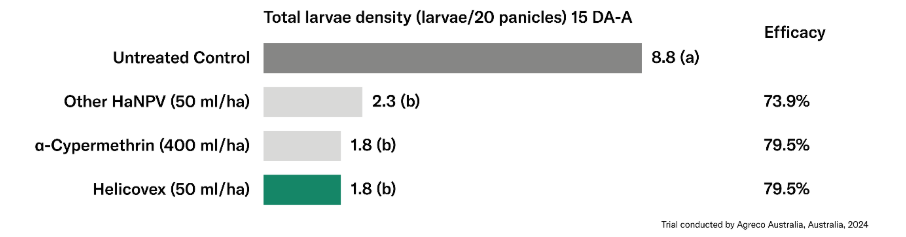
Fig 1: Trial data on sorghum at Lefthand Branch, Queensland
Although low-rate, stand-alone applications (50 ml/ha) have shown efficacy comparable to certain non-biological options in selected trials, this approach is not suitable for all crops or situations. For most use patterns, the standard full rate remains essential to deliver consistent control and residual activity.
When and How Reduced Rates Can Be Used
The approval of lower application rates does not replace established full-rate recommendations. Instead, reduced rates are intended to support specific, clearly defined use patterns, including:
• Periods of low to moderate pest pressure
• Short spray interval programs
• Tank mixing with other control products
• Situations where applications are well timed and coverage is optimal
Used correctly, reduced rates allow growers to tailor pest management programs to crop stage, pest pressure, and market requirements while maintaining stewardship standards and export market alignment.
Helicovex® Rate Positioning and Stewardship Guidance
• 200 ml/ha remains the preferred and recommended rate for:
• Stand-alone applications
• High pest pressure
• Situations with suboptimal timing or coverage
• 100 ml/ha may provide effective control under favourable conditions but requires precise application timing due to reduced residual activity.
50 ml/ha is not intended for stand-alone use and should be applied only in tank mixes or short spray interval programs as part of structured resistance management strategies, with reduced residual control expected
Scientific Expertise and Regional Adaptation
Andermatt’s global expertise, combined with strong local partnerships, ensures that biological innovations such as Helicovex® are adapted to regional conditions and grower needs. As agriculture continues to shift toward lower chemical inputs and regenerative practices, approved reduced-rate applications represent a practical step forward – delivering flexibility, proven performance, and long-term sustainability for growers and the environment.