Fruits & Berries

Littovir

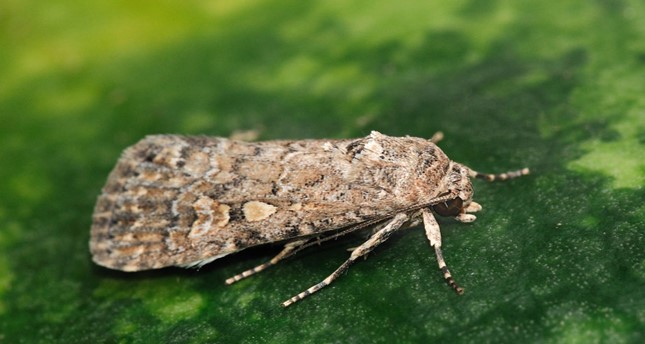
Littovir is based on a naturally occurring insecticidal virus that specifically infects and kills larvae of Spodoptera species. Benefits Pest Information Spodoptera littoralis is one of the most destructive agricultural lepidopteran pests within its subtropical and tropical range in Africa and the Middle East. The host range covers more than 40 plant families, containing at least […]

Littovir Read More »

Spexit

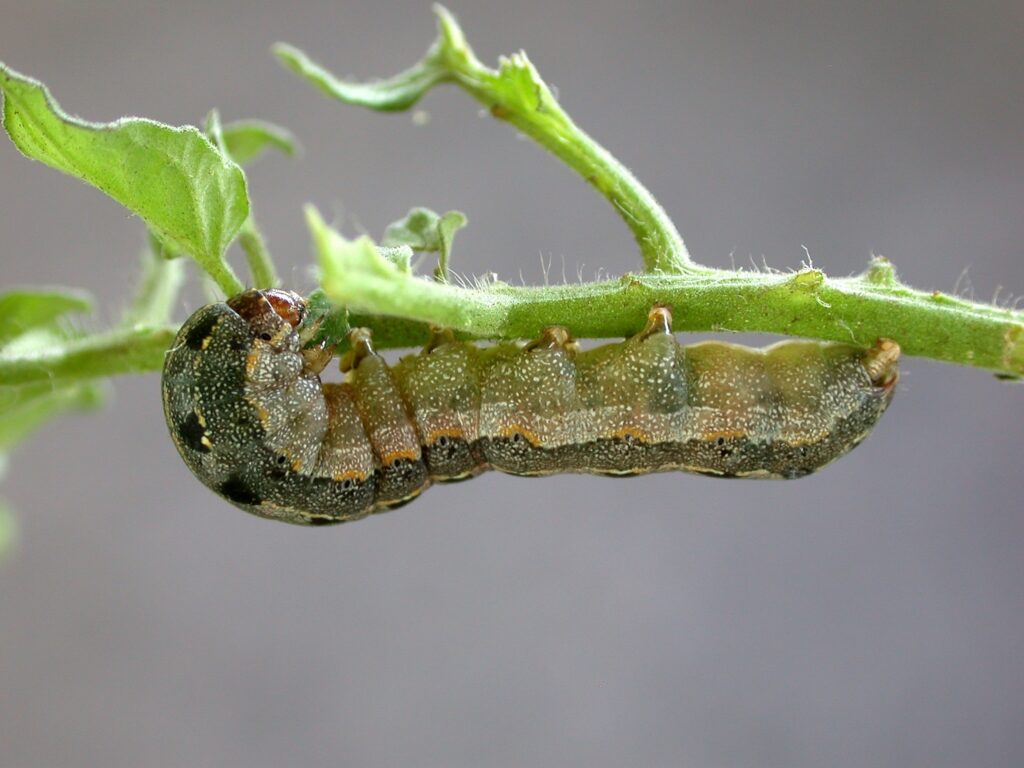
This highly specific bioinsecticide effectively controls beet armyworms (Spodoptera exigua) on various greenhouse and open field crops. The use of Spexit significantly reduces crop damage and pest population. Benefits Pest Information Beet armyworm (Spodoptera exigua) is one of the most destructive polyphagous pest species of worldwide economic importance. Beet armyworms occur in warmer regions of the Mediterranean countries, North

Spexit Read More »

Helicovex

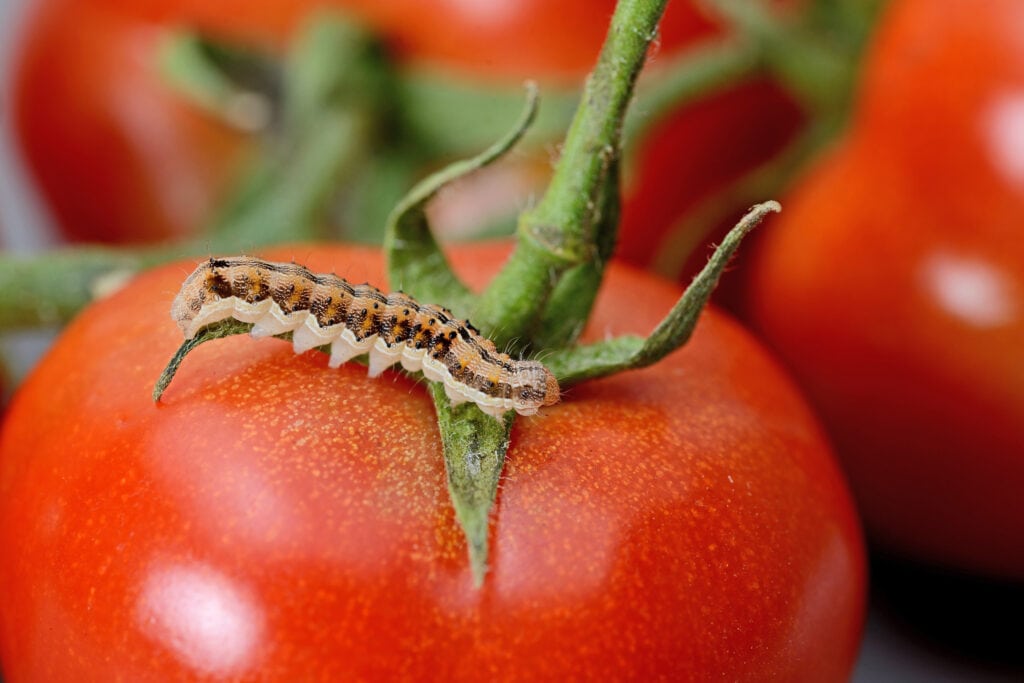
Helicovex is based on a naturally occurring insecticidal virus that specifically infects and kills larvae of cotton bollworm, corn earworm and other Helicoverpa species. The unique technology allows efficient and sustainable control of these pests. Benefits Pest information Cotton bollworm (Helicoverpa armigera) is a widespread pest of global economic importance. The larvae are extremely polyphagous and feed on different

Helicovex Read More »

Cryptex

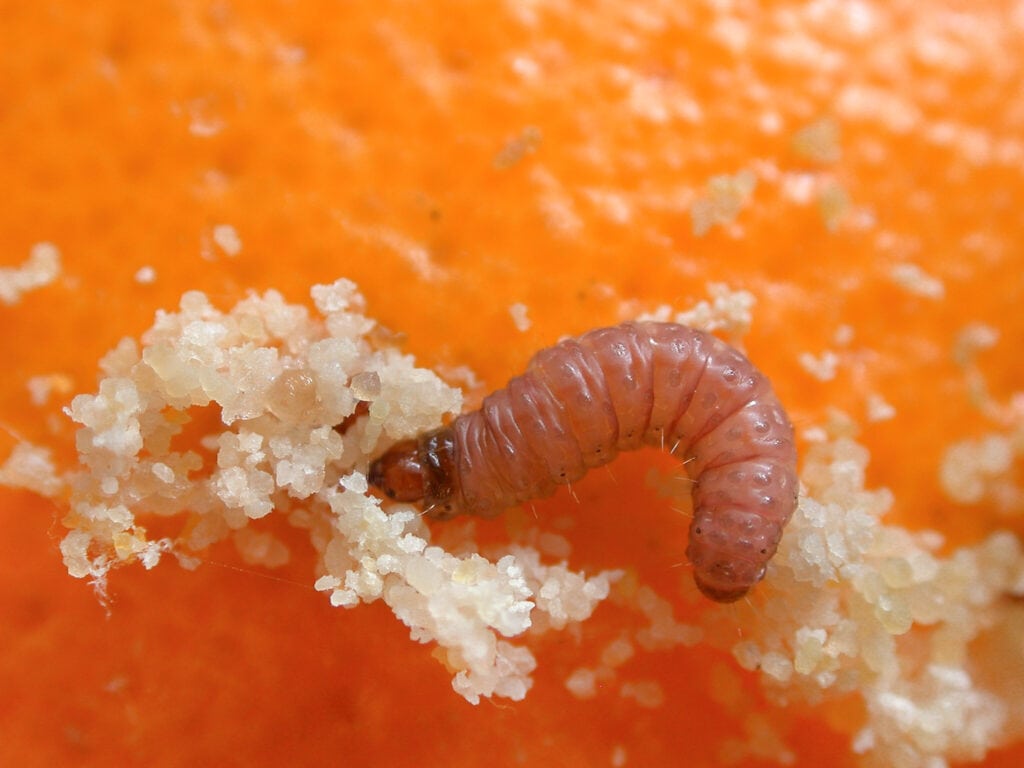
Cryptex is a granulovirus preparation for the biological control of the false codling moth (Thaumatotibia leucotreta; formerly Cryptophlebia leucotreta). Benefits Pest Information False codling moth (Thaumatotibia leucotreta) is present in Sub-Saharan Africa, and has recently been detected in Israel. This extremely polyphagous caterpillar feeds on fruits, by penetrating them, and can cause significant damage. The high infestation by

Cryptex Read More »

Entomopathogenic nematodes

Entomopathogenic nematodes occur naturally in the environment as parasites of many insect larvae. The mass release of these nematodes provides an efficient and curative control of key insect pests in a wide range of crops. Mode of action Once released, nematodes actively seek out their insect hosts. When a host has been located, the nematodes

Entomopathogenic nematodes Read More »

Adalia bipunctata

Larvae and adults of two-spotted ladybirds against aphids. Mode of action Adalia bipunctata − an indigenous ladybird − is a very busy aphid predator. Adalia ladybirds develop from tiny eggs and go through several larval stages and a pupal stage before emerging as two-spotted ladybirds. The larvae or adults can be used for effective control

Adalia bipunctata Read More »

Curatio®

Curatio is a residue free curative and preventive biological fungicide based on Calcium polysulphide (Lime sulphur) Curatio has a multiple mode of action based on a curative effect due to an alkaline reaction and a protective effect caused by elemental Sulphur which remains after application. Due to the unspecific mode of action no resistance is

Curatio® Read More »

AmyProtec 42

AmyProtec 42 is a biological soil fungicide, containing the rhizosphere (rooting zone) colonizing bacteria Bacillus velezensis. The bacteria create a “disease-inhibiting protective shield”. Thus preventively applied AmyProtec 42 can efficiently suppress soil borne pathogens. Due to a versatile mode of action and flexible miscibility is AmyProtec 42 the perfect product for integrated plant protection programs.

AmyProtec 42 Read More »

Capex Plus

Capex Plus is a baculovirus product for the biological control of the summer fruit tortrix (Baculoviruses against Adoxophyes orana isolate GV-0021) in pome fruit. Benefits Pest information Summer fruit tortrix (Adoxophyes orana) is present in Europe and Asia. The polyphagous caterpillars feed on leaves, buds and fruit and can cause significant damage. The damaged fruits

Capex Plus Read More »

Scroll to Top