BioAgTech World Congress & Expo 2025, India
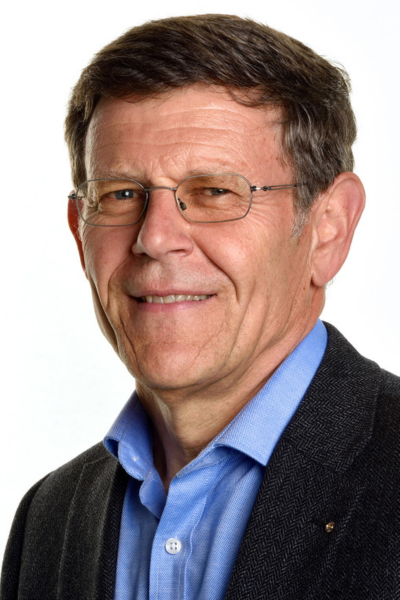 40 years ago, biologicals weren’t even a consideration, as farmers around the world reached out for chemical solutions to drive production and meet demand for a growing global population. While scientific studies in the 80s had shown the benefits of biological inputs, the industry would stick to something tried and trusted, whilst ignoring the potential pitfalls of environmental impact, risks to users, residues in food, and growing resistance to chemicals. Despite the reluctance of industry to embrace change, Dr. Martin Andermatt was convinced that biologicals would play an important
role in the future. It was his vision of healthy food and a healthy environment, for all, that lay the foundations for Andermatt as we know it today.
In the early days, conventional farmers would ignore the biological alternatives offered by Andermatt, scared off by the “snake-oil” reputation that biologicals carried at the time. However, a small niche market was beginning to emerge, and organic farmers were beginning to reap the benefits of Andermatt’s products. This small niche would expand as smaller distributors from around the world looked to serve organic growers in their own markets, and Andermatt began to grow.
It was not without its challenges, however.
“Increasing registration hurdles were then often a reason why we were unable to meet demand. We had to realise that our products played an insignificant role with conventional distributors and that important application know-how did not reach the users.
This motivated us to gradually establish or acquire our own sales companies in the most important countries,” said Martin.
This focus on identifying the challenges of end-users, and a clearer understanding of local market requirements, saw Andermatt grow its portfolio of products. Supported by the integration of several innovative production companies, Andermatt included the production of baculoviruses, entomopathogenic nematodes, bacteria and fungi and beneficial insects. Based on this broad portfolio Andermatt is active across the market segments of crop production, home and garden and bee health.
It is a combination of rigorous scientific research, and production know-how, that has helped Andermatt expand its footprint to over 60 countries, across four continents. As the Andermatt team grew, so did its catalogue. There are roughly 100 proprietary products and several hundred active registrations on the market today, thanks to our teams of experts.
As we look to the future of biologicals, we recognise a shifting conversation regarding the use of chemical pesticides, happening on a regulatory, governmental, and societal level.
“It is the recurring scandals relating to illnesses among users, residues in food and drinking water, and impacts on non-target organisms, including bees, that are prompting politicians to restrict the use of agrochemicals,” Martin said.
For every chemical molecule taken off the market, the biological industry strengthens: “New chemical molecules are being registered less and less. Therefore, the future of crop protection will be biological,” he added.
The future, for biologicals, is bright. We have people like Dr. Martin Andermatt to thank for that.
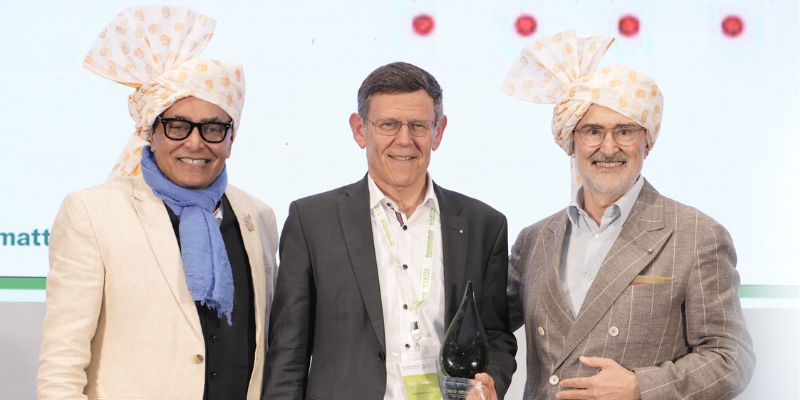
From left: Roger Tripathi, Dr. Martin Andermatt and Giuseppe Natale